12V vs 20V Cordless Drills: What Is the Difference?
The difference between 12V and 20V drills is power versus portability. A 12V drill is smaller and lighter for everyday driving and light drilling, while a 20V drill carries more torque and a bigger chuck for heavy work.
On this page (9 sections)
- What does 12V and 20V actually mean on a drill?
- How much more power does a 20V drill have?
- Which drill is lighter and easier to handle?
- What chuck size do 12V and 20V drills use?
- How long do the batteries last on each class?
- Which class suits the work you actually do?
- Do 12V and 20V drills use the same batteries?
- Is a 12V drill enough for drilling into wood and metal?
- Which should you buy first?
The difference between a 12V and 20V drill comes down to power versus portability. The 12V class is smaller and lighter for driving screws and light drilling.
The 20V class brings more torque and a bigger chuck for heavier jobs. Torque, chuck size, weight and battery capacity matter when you pick a drill.
What does 12V and 20V actually mean on a drill?
The number is the nominal voltage of the battery pack. A 12V drill runs on a pack rated around 12 volts.
A 20V drill runs on one rated around 20 volts. Higher voltage lets the motor draw more power, which usually means more torque and faster drilling.
The voltage alone isn't a quality score. A well-built 12V drill can outwork a cheap 20V model for light tasks.
Think of it as a class label rather than a ranking. A 12V drill is a compact tool for the jobs most homeowners do.
A 20V drill is the bigger tool for heavier work. Our guide to the best 12V cordless drills shows how much capability that smaller class now packs.
How much more power does a 20V drill have?
Expect more torque and more speed from the 20V class, but the gap varies by model. Compare real ratings instead of trusting the voltage label alone.
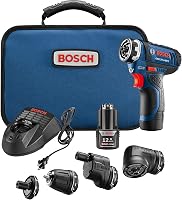
Take the three drills in this guide. The Bosch PS31-2A, a 12V tool, is rated at 265 in-lb of max torque with a top speed of 1,300 rpm.
The DeWalt DCD771C2, a 20V tool, delivers 300 unit watts out with a 1,500 rpm top speed. The Skil PWR CORE 20 brushless model goes further, with up to 400 in-lb of torque and 1,700 rpm.
The numbers explain the feel. The 12V drill drives screws cleanly and drills small holes without strain.
The 20V tools push bigger bits and longer fasteners with less effort. For a full comparison against plug-in tools, see corded vs cordless drill.
Which drill is lighter and easier to handle?
The 12V drill wins on weight and reach. The Bosch PS31-2A weighs 1.8 lb and measures 7 in in head length.
That short head fits between studs and into cabinet corners where a bigger tool won't go. The 20V class is heavier, with the DeWalt kit at 3.6 lb, so both 20V tools feel more substantial in the hand.
That weight helps when you're boring into hardwood, but it tires your arm during overhead work. This is the main reason electricians and plumbers often reach for a 12V drill.
The Bosch design targets overhead drilling and driving, where a light tool matters more than raw power. If most of your work is at chest height on a bench, either class is comfortable.
What chuck size do 12V and 20V drills use?
Most 12V drills carry a 3/8 in chuck, while many 20V drills step up to 1/2 in. The chuck sets the largest bit shank the drill can hold.
The Bosch PS31-2A uses a 3/8 in single-sleeve, three-jaw chuck. That's plenty for standard twist bits and driver bits.
The DeWalt DCD771C2 and the Skil DL6280B both use a 1/2 in chuck, which grips larger bits and takes more torque without slipping. A 1/2 in chuck lets you run auger bits and large hole saws that a 3/8 in chuck won't hold.
For a deeper look at the two sizes, read the difference between 3/8 and 1/2 drill driver before you buy.
How long do the batteries last on each class?
Voltage doesn't set run time; amp-hours and the motor's efficiency do. A 12V drill with a 2.0 Ah pack can run as long as a 20V drill with a small pack on light tasks.
The Bosch kit ships with two 12V lithium-ion batteries. Two packs mean one charges while the other works, so a light job rarely stops.
The DeWalt kit includes two 20V batteries and a charger, and the Skil kit includes a PWR CORE 20 2.0 Ah battery and charger. The 20V tools use more energy per task because they push harder.
On light screw driving the difference is small, and a spare battery matters more than the voltage.
Which class suits the work you actually do?
Pick 12V for assembly and light repairs, and 20V for building and heavy drilling. Your project list is the best guide, not the voltage number.
A 12V drill handles flat-pack furniture, curtain rods, shelves and light drywall anchors without strain. It's also the better choice for overhead work and tight spaces.
The Bosch PS31-2A covers that ground well with its two speeds and 20+1 clutch settings. Step up to 20V when you drill into hardwood, build a deck or drive long structural screws.
The DeWalt DCD771C2 offers a two-speed transmission at 0-450 and 1,500 rpm and a 1/2 in ratcheting chuck for that kind of work. If you want a brushless motor and more torque again, the Skil DL6280B is the heavier-duty option.
When is a 12V drill the better buy?
Choose 12V if you want one light drill for household jobs and overhead work. It fits in tight spots and won't tire your arm during a long session of driving screws.
The Bosch's 7 in head length and 1.8 lb weight make it easy to steer one-handed. Two batteries keep it running through a full afternoon of furniture and fittings.
Skip it if your main job is drilling large holes or heavy timber, where the 20V class earns its extra size.
When is a 20V drill the better buy?
Choose 20V if you need more torque and a 1/2 in chuck for bigger projects. That covers decking, framing repairs and repeated drilling into hardwood.
The DeWalt DCD771C2 pairs 300 unit watts out with a two-speed transmission and a ratcheting chuck that holds large bits firmly. It's a sensible single drill for a homeowner who tackles real building work.
Its extra weight is the price you pay for that capability.
The Skil DL6280B adds a digital brushless motor and 17 torque settings plus drill mode. That makes it the most capable of the three for sustained drilling.
If your work is mostly light, the size and weight are more than you need.
Do 12V and 20V drills use the same batteries?
No. Battery packs are brand and voltage specific, so the two classes don't share packs.
A 12V pack won't fit a 20V drill, and a 20V pack won't fit a 12V one.
Stay inside one brand's battery family to share packs between tools. That's the real reason to think about a platform when you buy your first drill.
If you already own 20V batteries from a brand, buying its bare tool saves you from paying for packs again. If you own none, pick the class first and the brand second.
Check the stated voltage and model number before buying a spare pack. A pack sold for a different model in the same brand may not fit.
Is a 12V drill enough for drilling into wood and metal?
Yes for light drilling in both materials, but the 20V class handles the harder jobs. The Bosch PS31-2A is rated for drywall, wood and even metal in light applications.
Small twist bits and pilot holes are well within a 12V drill's range. Where the smaller class slows down is in large-diameter holes, hardwoods and thick metal.
Those jobs want the torque and 1/2 in chuck of a 20V tool like the DeWalt or the Skil. If you're unsure whether you need a drill or a lighter driver for screws only, read cordless drill vs screwdriver.
Which should you buy first?
Buy a 12V drill first if your work is mostly assembly, shelves and light repairs. It's the lighter, more maneuverable tool and covers the tasks most people start with.
Move up to 20V when your projects grow into hardwood, decking or repeated drilling. The difference between a 12V and 20V drill is less about which is better and more about which fits your job list.
For a compact all-rounder, the Bosch PS31-2A is the pick. For heavier work with a 1/2 in chuck, choose the DeWalt DCD771C2.
For brushless power and the most torque of the three, the Skil DL6280B earns its place. If you only ever buy one drill and you plan to build and repair around the house, a 20V model is the safer long-term choice.
If you want a second, lighter tool for quick jobs and overhead work, a 12V drill is the one you'll reach for most days.
Frequently asked questions
Is a 20V drill more powerful than a 12V drill?
Yes. A 20V drill carries a higher voltage battery, and the examples here show the gap: the DeWalt DCD771C2 is rated at 300 unit watts out and the Skil DL6280B at 400 inch-pounds of torque, against 265 inch-pounds for the Bosch PS31-2A 12V.
Can a 12V drill drive screws into wood?
Yes. A 12V drill like the Bosch PS31-2A has a clutch and two speeds that handle screws in drywall and wood.
Save the 20V class for long screws, hardwoods or repeated drilling, where the extra torque does the work faster.
Which voltage should a beginner buy first?
Start with a 12V drill if most of your jobs are furniture, shelves, curtain rods and light drywall. Move to 20V when you drill into hardwood, build decks or want one drill for bigger projects around the house.