Cordless Drill vs Electric Screwdriver: Which to Buy? (October 2026)
Choose a cordless drill for drilling holes and mixed home repairs; choose an electric screwdriver for light, controlled screw driving. This cordless drill vs screwdriver comparison comes down to the jobs you do most and how much control they need.
On this page (10 sections)
- Cordless drill vs screwdriver: what is the main difference?
- Which tool suits your home projects?
- Is a drill harder to control than a screwdriver?
- Can a cordless drill drive screws?
- What do voltage and speed numbers tell you?
- How do you set up and care for either tool?
- What mistakes should you avoid?
- Which one should you buy first?
- How do you decide between a drill and screwdriver?
- Cordless drill vs screwdriver: make the final choice
Choose a cordless drill for drilling holes and mixed home repairs; choose an electric screwdriver for light, controlled screw driving. In a cordless drill vs screwdriver decision, start with your regular jobs, then consider whether you need extra control for small fasteners.
A drill holds drill bits and driver bits in its chuck. An electric screwdriver is built for screw driving, usually with a bit holder and controls suited to fastening.
The Craftsman V20 drill/driver suits a home tool kit that needs to handle holes and screws. The DeWalt and Skil 4V screwdrivers fit assembly and lighter fastening.
 Best for mixed home repairs
Craftsman V20 CMCD700C1 1/2 in. Drill/Driver Kit
 Best for furniture assembly
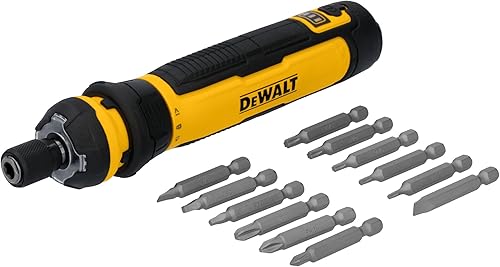
DeWalt 4V USB Rechargeable Cordless Screwdriver
Cordless drill vs screwdriver: what is the main difference?
A cordless drill can make holes and drive screws; an electric screwdriver focuses on driving screws. The drill covers more kinds of work, while a screwdriver can be easier to manage for small jobs.
A drill's chuck grips different bits, so you can switch between a drill bit and a driver bit. The Craftsman V20 has a 1/2 in keyless chuck and a two-speed gearbox.
An electric screwdriver uses a bit holder for screwdriver bits. The DeWalt has 6-stage torque adjustment and a slide-to-drive collar, while the Skil has a two-finger trigger.
These tools overlap on screw driving, but they don't replace each other for every job. If you need a pilot hole before driving a screw, the drill can do both steps with the right bits.
Which tool suits your home projects?
Choose the drill for jobs that involve holes, mixed materials or larger fasteners; choose the screwdriver for routine assembly and small repairs. Match the tool to the work you expect to do most often.
The Craftsman V20 drill/driver has a motor rated at 280 unit watts out. It includes a 20V battery and charger, and its LED light can help in dim work areas.
For shelves, curtain hardware or a repair that starts with a hole, a drill is the practical choice. It can also drive screws with a driver bit, so it covers more kinds of household work.
An electric screwdriver makes more sense when most of your jobs use existing screw holes, such as assembling furniture or tightening hardware. The DeWalt has 6 torque stages and soft-start capability for more controlled fastening.
When should you choose a cordless drill?
Choose a drill when you expect to bore holes or want one tool for drilling and fastening. It also makes sense if you want a chuck that can hold a broader range of bits.
The Craftsman V20's two speeds are 350 and 1,500 RPM. Use a slower setting for more control when starting a screw, and the higher setting for faster drilling in suitable materials.
Start fastening gently, keep the driver bit aligned and stop when the screw is seated. If the bit slips or the material begins to split, stop and reassess the bit, speed or technique.
Our cordless drill buying guide explains what to compare when choosing a drill for home use. If you're choosing between hammer action and a standard drill, see hammer drill vs regular drill.
When is an electric screwdriver the better choice?
Choose an electric screwdriver when you mainly drive smaller screws and want a compact tool for repeated assembly. It can be easier to carry and handle than a drill/driver for simple tasks.
The DeWalt cordless screwdriver is sized similarly to a manual screwdriver and includes 12 bits. Its 360° collar lets you slide to drive, and the tool has a lower-speed mode for delicate applications.
The Skil screwdriver is another option for everyday DIY and tight spaces. It comes with 9 bits and a 3 in magnetic bit holder, and its two-finger trigger is designed for handling.
Is a drill harder to control than a screwdriver?
A drill can be harder to control on small screws because it is larger and can deliver more power. An electric screwdriver is often more comfortable for repeated light fastening or delicate work.
That doesn't make a drill unsuitable for furniture. Use a matching driver bit, select a lower speed and avoid forcing the screw after it seats.
The DeWalt's torque adjustment offers control for different fastening tasks. Its soft-start capability and lower-speed modes can help reduce the chance of damaging a screw or surface.
With either tool, hold it straight and keep the bit fully engaged with the screw head. A slipping bit can strip the head and make removal harder.
Can a cordless drill drive screws?
Yes, a cordless drill can drive screws when fitted with a driver bit. It can stand in for a screwdriver if you adjust your speed and technique to the fastener and material.
Use a bit that matches the screw head. Start slowly, maintain pressure in line with the screw and stop once the head is flush or snug as the job requires.
For smaller screws, soft materials or delicate assemblies, a drill may be less forgiving than a screwdriver. Begin gently when you aren't sure how much force the job needs.
If you're deciding whether a drill can replace an impact driver for heavier fastening, our impact driver vs drill guide explains the difference. For using an impact driver to make holes, see when an impact driver works as a drill.
What do voltage and speed numbers tell you?
Voltage and speed help you compare tools, but neither number alone decides which tool fits your work. Check the chuck or bit holder, torque controls and included accessories too.
The Craftsman drill/driver uses a 20V battery and offers two speeds, up to 1,500 RPM. The DeWalt and Skil screwdrivers are 4V tools, with the Skil at 220 RPM and the DeWalt at up to 360 RPM no-load speed.
Those figures aren't a direct measure of which tool will work best for you. A drill is designed for varied drilling and fastening, while torque controls and grip can matter more for small assembly jobs.
Our guide to what the numbers on a drill mean explains speed settings and other markings. Use it to understand the drill's controls before choosing a model for a specific project.
How do you set up and care for either tool?
Choose the right bit, secure it properly and start at a manageable speed. Good setup helps prevent slipping, damaged screw heads and rough holes.
For a drill, open the chuck, place the bit straight and tighten the chuck securely. Use a drill bit for holes and a driver bit for screws; the guide to changing a drill bit walks through the swap.
For an electric screwdriver, fit a bit that matches the screw head and make sure it sits firmly in the holder. The DeWalt's torque settings let you start with less force for delicate work, while the Skil's included magnetic bit holder can help with bit reach.
Keep bits clean and check them for worn or damaged tips before use. Follow the tool's charging instructions, store it dry and keep the bit holder or chuck clear of dust and debris.
What mistakes should you avoid?
Most avoidable problems come from using the wrong bit, rushing the start or applying force after the screw is seated. Slow down and let the tool and bit do the work.
A mismatched bit can slip out of the screw head and cause damage. Choose the correct shape and size, press the bit straight into the screw, and keep that line as you drive.
Don't assume a drill's higher speed is always better. Start screws slowly, and use a pilot hole when the job and material call for one.
Avoid using an electric screwdriver to make holes. Its bit holder is for screwdriver bits, so use a drill with the right bit for drilling.
Which one should you buy first?
Buy a cordless drill first if you need one tool for holes and screws; buy an electric screwdriver first if your work is mostly light assembly. The best first tool is the one that covers jobs you expect to do.
Choose the Craftsman V20 if you want a drill/driver with a 1/2 in chuck, two speeds, battery and charger included. It's the more flexible option for common home repair tasks.
Choose the DeWalt if torque adjustment and a compact shape matter for assembly. Choose the Skil if you want a rechargeable screwdriver with a two-finger trigger and included bits.
If you already own a drill, a separate electric screwdriver is useful when frequent light fastening makes a smaller tool worth keeping nearby. If you own a screwdriver and want to drill holes, a drill fills a clearer gap.
How do you decide between a drill and screwdriver?
Pick the tool by asking whether your regular jobs include drilling holes. If they do, start with a drill; if your work is mostly assembly and tightening, an electric screwdriver may be enough.
Choose the Craftsman V20 drill/driver for mixed repairs, shelves and projects that need holes and screws. Choose the DeWalt 4V screwdriver for adjustable control during assembly, or the Skil 4V screwdriver for everyday light fastening in tighter spaces.
List 3 jobs you expect to do this year before buying. If any require holes, get a drill; if all involve screw driving, start with the electric screwdriver.
For more comparisons among drill styles, browse our drill types and uses guide. For a related choice about power and fastening, read impact driver vs drill.
Cordless drill vs screwdriver: make the final choice
Choose a drill for holes and varied repairs, and an electric screwdriver for light, repeated screw driving. That's the clearest rule for a cordless drill vs screwdriver choice.
The Craftsman V20 fits mixed home projects, while the DeWalt and Skil suit lighter fastening, with the DeWalt offering adjustable torque control. Compare your next few jobs, then pick the tool that matches them.
For a quick next step, review the cordless drill buying guide or learn how to change a drill bit.
Frequently asked questions
Can an electric screwdriver drill holes?
An electric screwdriver is made to turn screws, not drill holes. Its bit holder and fastening controls suit screw driving, while a drill's chuck accepts drill bits for making holes in suitable materials.
Use the tool designed for the task.
Is a cordless drill too powerful for furniture assembly?
A cordless drill can drive furniture screws, but its power can strip a screw head or damage a soft panel if you press too hard. Use a low speed and clutch setting if available, keep the bit seated, and stop when the screw is snug.
A compact screwdriver offers finer control for light assembly.
Should I buy a drill or electric screwdriver first?
Buy a cordless drill first if you expect to make holes, install shelves or handle mixed home repairs. Choose an electric screwdriver first if your work is mostly flat-pack furniture, small repairs and repeated light fastening.
Think about the jobs you do most before choosing.
Can a cordless drill replace an electric screwdriver?
A drill can drive screws with a driver bit, so it can cover many screwdriver tasks. It is bulkier and may feel less controlled on small screws or delicate materials.
A dedicated electric screwdriver is easier to manage for repeated light fastening, especially when it has adjustable torque.


